
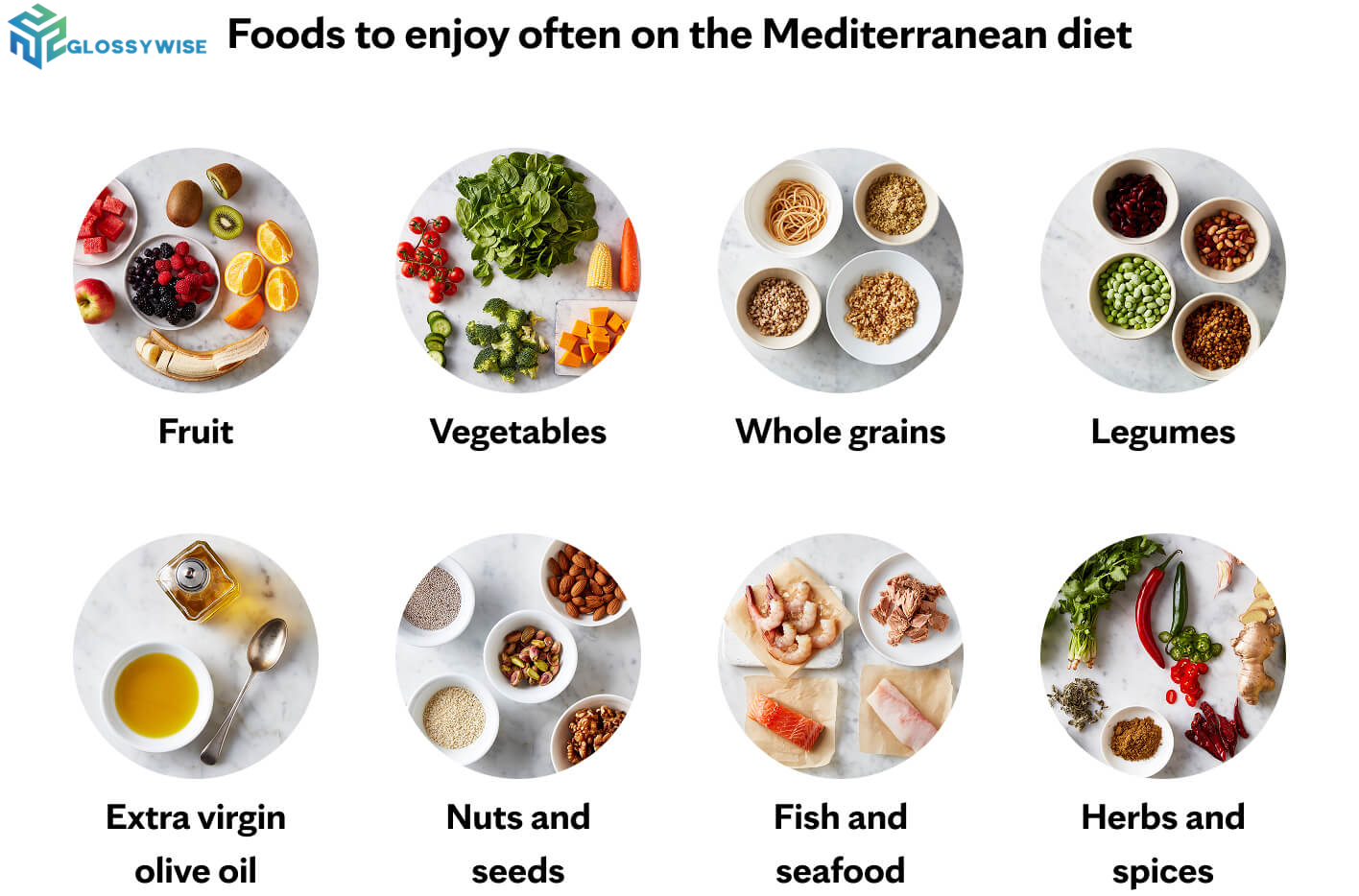
The Mediterranean diet is a flexible way of eating built around vegetables, fruits, whole grains, beans, lentils, nuts, fish, and healthy fats such as extra-virgin olive oil. Instead of strict calorie rules or complicated food restrictions, it focuses on improving the overall quality and balance of your meals.
This eating pattern has been associated with several health benefits, particularly cardiovascular health, healthy blood sugar, blood pressure, and cholesterol levels. It can also be adapted to different preferences, including vegetarian and gluten-free eating patterns.
In this complete guide, you’ll learn what the Mediterranean diet is, which foods to eat and limit, how to build a meal plan, Mediterranean diet recipes, 7-day and 30-day meal-plan ideas, and how beginners can get started.
What Is the Mediterranean Diet?
The Mediterranean diet is an eating pattern inspired by traditional food habits in countries around the Mediterranean region. Its main emphasis is on plant-based foods, whole grains, legumes, fruits, vegetables, nuts,s and healthy fats.
Extra-virgin olive oil is an important source of fat, while fish and seafood are generally preferred more often than red meat. Dairy foods can be included in moderate amounts, while foods high in added sugar, refined carbohydrates and unhealthy fats are generally limited.
Unlike a highly restrictive diet, the Mediterranean approach does not require you to follow one rigid menu every day. You can choose different foods and recipes while keeping the basic principles of the eating pattern.
Read Also: Common Diseases & Health Conditions: A Complete Guide
Mediterranean Diet Food List for Beginners
If you’re new to this eating pattern, starting with a simple Mediterranean diet food list can make grocery shopping much easier. Focus on filling your kitchen with minimally processed foods that can be combined into simple meals.
Foods to Eat More Often
Build most of your meals around:
- Vegetables such as tomatoes, spinach, broccoli, peppers and leafy greens
- Fresh fruits and berries
- Beans, chickpeas and lentils
- Whole grains such as oats, quinoa, barley and brown rice
- Nuts and seeds
- Extra-virgin olive oil
- Fish and seafood
- Moderate amounts of yogurt and natural cheese
- Herbs and spices
- Lean poultry in moderate portions
The goal is not to eat every food at every meal. Instead, use these foods as the foundation of your normal eating pattern.
Healthy Fats to Include
Healthy fats are an important part of the Mediterranean approach. Extra-virgin olive oil is commonly used for cooking, dressings and dipping.
Nuts, seeds, avocado and fish can also contribute unsaturated fats. Choosing these foods more often can help replace foods that are high in saturated fat.
Foods to Eat Less Often
The Mediterranean diet generally encourages you to limit:
- Sugary drinks
- Sweets and desserts
- Highly processed foods
- Refined grains
- Large amounts of butter
- Foods high in saturated fat
- Processed meats
- Frequent red-meat meals
- Foods with excessive sodium
Cleveland Clinic notes that the diet emphasizes limiting added sugar, refined carbohydrates, highly processed foods, fatty or processed meats, ts and foods high in sodium or saturated fat.
Mediterranean Diet Food List PDF
A Mediterranean diet food list PDF can be useful if you want a simple shopping reference. Instead of trying to memorize individual foods, organize your list into categories such as vegetables, fruits, whole grains, legumes, fish, nuts, dairy,y and healthy fats.
For beginners, a practical shopping list might include leafy greens, tomatoes, cucumbers, berries, apples, oats, brown rice, quinoa, chickpeas, lentils, salmon, tuna, plain Greek yogurt, almonds, and extra-virgin olive oil.
You can then use these ingredients to create different breakfasts, lunches, dinners and snacks throughout the week.
Mediterranean Diet Serving Goals and Portions
Healthy foods can still contribute significant calories when eaten in very large portions, so portion awareness can be useful. However, there is no single serving size that is appropriate for everyone.
Cleveland Clinic provides general serving guidance and recommends discussing individual needs with a dietitian. For example, its general framework includes several servings of fruits and vegetables each day, regular whole grains and legumes, fish several times per week, and nuts regularly.
Your age, activity level, health goals, medications, and medical conditions can all affect how much food you need.
Health Benefits of the Mediterranean Diet
One of the reasons the Mediterranean diet is so widely studied is its association with cardiovascular and metabolic health.
Heart and Cardiovascular Health
A Mediterranean-style eating pattern emphasizes vegetables, fruits, whole grains, legumes, fish, and unsaturated fats while reducing reliance on foods high in saturated and trans fats.
This combination can support healthier cardiovascular risk factors. Cleveland Clinic notes that the Mediterranean diet may lower cardiovascular disease risk, including the risk of heart attack and stroke.
Blood Sugar and Metabolic Health
Meals built around fiber-rich vegetables, legumes, whole grains and minimally processed foods can be useful for maintaining a balanced eating pattern.
The Mediterranean diet is also associated with supporting healthy blood sugar, blood pressure and cholesterol levels.
People with diabetes or other metabolic conditions should still individualize their diet with guidance from a qualified healthcare professional.
Digestive and Gut Health
Vegetables, fruits, whole grains, beans, lentils, nuts and seeds provide different types of dietary fiber. Fiber supports normal digestive function and contributes to a varied diet.
The Mediterranean pattern has also been associated with supporting a healthy balance of microorganisms in the digestive system.
Mediterranean Diet Recipes
Mediterranean diet recipes do not need to be complicated. A simple recipe can combine a lean protein source with vegetables, whole grains, and a healthy fat.
Easy Breakfast Ideas
Try options such as:
- Oatmeal with berries and ground flaxseed
- Greek yogurt with fruit and walnuts
- Whole-grain toast with nut butter
- Vegetable omelet
- Overnight oats with fruit and seeds
These combinations can provide protein, fiber,r and other nutrients without requiring elaborate preparation.
Simple Lunch Recipes
For lunch, consider:
- Chickpea and vegetable salad
- Whole-grain pasta with vegetables
- Tuna and bean salad
- Lentil soup with whole-grain bread
- Quinoa and roasted vegetable bowl
- Hummus with vegetables and whole-grain pita
Preparing lunch ahead of time can make it easier to follow the eating pattern during a busy work or school day.
Mediterranean Dinner Ideas
Dinner can include:
- Grilled salmon with vegetables
- Baked fish with lentils
- Chicken with beans and roasted vegetables
- Chickpea and spinach bowl
- Whole-grain pasta with tomato and vegetable sauce
- Bean-based burger with a large salad
Cleveland Clinic also gives examples such as salmon with fruit salsa, cod with lentils, roasted chicken with beans, ns and chickpea-based meals.
Healthy Snack Options
Good snack choices include:
- A small handful of unsalted nuts
- Fresh fruit
- Plain Greek yogurt
- Whole-grain crackers with hummus
- Raw vegetables with yogurt-based dip
- Fruit with a small amount of nut butter
Keeping snacks prepared in advance can make it easier to avoid highly processed convenience foods.
Mediterranean Diet 7-Day Meal Plan
A Mediterranean diet 7-day meal plan can help beginners understand how the eating pattern works in everyday life. The following is a simple example rather than a medically prescribed diet.
Day 1
Breakfast: Greek yogurt with berries and walnuts
Lunch: Chickpea, cucumber and tomato salad with olive oil
Dinner: Grilled salmon with roasted vegetables and brown rice
Snack: Apple and a small handful of almonds
Day 2
Breakfast: Oatmeal with banana, berries and ground flaxseed
Lunch: Lentil soup with whole-grain bread and salad
Dinner: Grilled chicken with quinoa and vegetables
Snack: Plain yogurt with fruit
Day 3
Breakfast: Vegetable omelet with whole-grain toast
Lunch: Tuna and white-bean salad
Dinner: Baked cod with lentils and steamed vegetables
Snack: Carrots with hummus
Day 4
Breakfast: Whole-grain toast with nut butter and fruit
Lunch: Quinoa bowl with chickpeas, spinach, tomatoes and olive oil
Dinner: Roasted chicken with beans and mixed vegetables
Snack: Walnuts and fresh fruit
Day 5
Breakfast: Greek yogurt with oats, berries and seeds
Lunch: Mediterranean vegetable and bean wrap
Dinner: Salmon with a large salad and roasted sweet potato
Snack: Cucumber and hummus
Day 6
Breakfast: Oatmeal with apple, cinnamon and walnuts
Lunch: Whole-grain pasta salad with vegetables and chickpeas
Dinner: Lentil and vegetable bowl with a side salad
Snack: Fruit and plain yogurt
Day 7
Breakfast: Vegetable egg-white omelet with whole-grain toast
Lunch: Chickpea and quinoa salad
Dinner: Grilled fish with roasted vegetables and brown rice
Snack: Small handful of unsalted nuts and fruit
Portions should be adjusted according to your individual calorie needs, activity level, and health goals.
A 4-week Mediterranean diet menu plan can make the transition easier by giving you enough variety to avoid eating the same meals repeatedly.
Week 1: Getting Started
Focus on replacing highly processed foods with vegetables, fruits, whole grains, beans, nuts, and olive oil. Keep meals simple and learn which Mediterranean-style foods you enjoy most.
Week 2: More Fish and Legumes
Increase your use of fish, chickpeas, lentils,s and beans. Try replacing some meat-based meals with plant-based protein options.
Week 3: More Variety
Introduce different whole grains, vegetables, herbs, seeds,s and healthy recipes. Experiment with salads, grain bowls, soups and roasted vegetables.
Week 4: Build a Sustainable Routine
By the fourth week, focus on creating meals you can realistically continue long-term. The goal is not perfection but a consistent pattern of nutritious foods and reasonable portions.
30 Day Mediterranean Meal Plan PDF Free
People often search for a Mediterranean diet 30-day meal plan PDF free because having a complete month of meals can make planning easier. A 30-day plan can be organized around rotating breakfasts, lunches, dinners and snacks rather than creating 30 completely different recipes.
For example, you can rotate oatmeal, Greek yogurt and vegetable omelets for breakfast; salads, soups and grain bowls for lunch; and fish, chicken, beans or lentils with vegetables for dinner.
If you create or download a printable plan, check that the recipes match your dietary needs, allergies, medical conditions and calorie requirements.
How to Create Your Own Mediterranean Diet Meal Plan
The easiest way to create a personalized plan is to choose a few options from each major food group.
Start With Vegetables
Choose one or more vegetables for lunch and dinner. Leafy greens, tomatoes, broccoli, peppers, carrots, cucumber, and seasonal vegetables can all work.
Add a Protein Source
Use fish, beans, lentils, chickpeas, poultry, eggs, or moderate amounts of dairy according to your preferences.
Choose a Whole Grain
Brown rice, oats, barley, quinoa, and whole-grain bread can provide carbohydrates and fiber.
Add Healthy Fat
Use extra-virgin olive oil, nuts, seeds, ds or another suitable source of unsaturated fat.
Finish With Fruit
Fresh fruit makes a simple dessert or snack and can help add variety to your meals.
What Foods Are Not Allowed on the Mediterranean Diet?
The Mediterranean diet is not based on a strict list of forbidden foods. Instead, it encourages you to eat more nutritious foods and limit foods that provide fewer nutritional benefits.
Foods commonly limited include sugary beverages, sweets, refined grains, highly processed foods, processed meats,s and foods high in saturated fat or sodium.
This flexible approach is one reason many people find the diet easier to maintain than highly restrictive eating plans.
Mediterranean Diet Pyramid
The Mediterranean diet pyramid is a visual way to understand how frequently different food groups should appear in your eating pattern.
At the foundation are foods such as vegetables, fruits, whole grains and healthy fats. Beans, legumes, nuts and other plant foods also play important roles, while fish and poultry can be included in moderate amounts.
Red meat and sweets generally appear less frequently. Different organizations have developed slightly different versions of the pyramid, but the overall principles are similar.
Is the Mediterranean Diet Good for Weight Loss?
The Mediterranean diet can be compatible with weight management because it emphasizes nutrient-dense foods such as vegetables, fruits, whole grains, legumes, and other minimally processed foods.
However, following the Mediterranean diet does not automatically guarantee weight loss. Total food intake, portion sizes, physical activity, sleep, medications, and individual health factors all influence body weight.
If weight loss is your goal, a sustainable calorie deficit may be needed while still ensuring adequate nutrition.
Can the Mediterranean Diet Be Vegetarian?
Yes. The Mediterranean eating pattern can be adapted to vegetarian diets by using beans, lentils, chickpeas, nuts, seeds, whole grains, vegetables, and other plant foods as major sources of protein and nutrients.
Cleveland Clinic specifically notes that the pattern can be modified to exclude meat and fish, with plant foods such as beans and nuts providing protein.
Can the Mediterranean Diet Be Gluten-Free?
The Mediterranean diet can also be modified for people who need to avoid gluten. Naturally gluten-free foods such as fruits, vegetables, beans, lentils, nuts, fish, eggs and many whole foods can form the foundation of meals.
Gluten-containing breads, pasta and other grains can be replaced with appropriate gluten-free alternatives. Anyone with celiac disease should take particular care to avoid cross-contamination and follow professional dietary guidance.
Extra Virgin Olive Oil vs Regular Olive Oil
Extra-virgin olive oil is particularly emphasized in the Mediterranean diet because it contains a high proportion of unsaturated fat and naturally occurring antioxidant compounds.
Regular olive oil can still be a reasonable alternative to fats that are high in saturated fat, but extra-virgin olive oil is the preferred option in this eating pattern.
Use it for salad dressings, roasted vegetables, grain dishes, or as a dip rather than treating it as a reason to consume unlimited amounts of added fat.
Mediterranean Diet and Lifestyle
The Mediterranean approach is not only about individual foods. Lifestyle habits can also complement the eating pattern.
Regular physical activity, preparing meals at home, eating with family or friends,s and reducing tobacco exposure can support an overall healthy lifestyle.
Cleveland Clinic also highlights social meals, cooking at home, physical activity,y and avoiding tobacco as lifestyle practices that can accompany the Mediterranean eating pattern.
Mediterranean Diet for Beginners: How to Start
If the diet seems overwhelming, start with a few small changes instead of replacing everything in your kitchen at once.
Week 1
Add an extra serving of vegetables to your main meals and replace sugary drinks with water or another unsweetened option.
Week 2
Replace refined grains with whole-grain options and add beans or lentils to several meals.
Week 3
Introduce fish more regularly and use nuts, seeds, and extra-virgin olive oil as sources of healthy fats.
Week 4
Create a repeatable weekly meal routine based on the foods you enjoy and can realistically prepare.
Small, consistent changes are generally easier to maintain than a dramatic short-term diet overhaul.
Frequently Asked Questions About the Mediterranean Diet
Is there a free Mediterranean diet meal plan?
Free meal plans can be created using Mediterranean-style foods such as vegetables, fruits, whole grains, legumes, fish, nuts, and olive oil. The important point is to make sure the plan matches your nutritional needs rather than simply following a generic menu.
What is the simplest Mediterranean meal?
A simple meal could contain grilled fish or beans, a large serving of vegetables, a whole grain such as brown rice or quinoa, and a small amount of extra-virgin olive oil.
Can I eat rice on the Mediterranean diet?
Yes. Whole-grain options such as brown rice fit particularly well into the eating pattern. Portion size and the rest of the meal still matter.
Can I eat chicken on the Mediterranean diet?
Yes. Poultry can be included, although fish, legumes and plant-based foods are emphasized frequently. Choose lean poultry and prepare it using methods such as baking, grilling or roasting.
Can I eat eggs on the Mediterranean diet?
Eggs can be included in moderation. Individual recommendations may differ depending on your health history, cholesterol levels and overall dietary pattern.
Can I eat potatoes?
Potatoes can fit into the Mediterranean diet, particularly when prepared in a minimally processed way. Roasting or baking potatoes is generally preferable to heavily processed fried versions.
Can I drink alcohol on the Mediterranean diet?
Alcohol is not necessary to obtain the potential benefits of the Mediterranean diet. If you do not drink alcohol, you should not start drinking for health reasons. Anyone who drinks should discuss potential risks with a healthcare professional.
How long does it take to see benefits?
There is no single timeframe that applies to everyone. Changes in diet quality can contribute to healthier eating immediately, while changes in weight, cholesterol, blood pressure, or other health measures may take longer and depend on individual circumstances.
Is the Mediterranean diet suitable for everyone?
The general eating pattern can be adapted for many people, but individual nutritional requirements vary. People with diabetes, kidney disease, food allergies, digestive disorders, rs or other medical conditions may need specific modifications.
Cleveland Clinic recommends discussing significant dietary changes with a healthcare professional or dietitian who can take your medical history, conditions, allergies, and preferences into account.
Final Thoughts
The Mediterranean diet is best understood as a long-term eating pattern rather than a short-term crash diet. It emphasizes vegetables, fruits, whole grains, legumes, nuts, fish, and healthy fats while encouraging people to reduce highly processed foods, added sugars, refined carbohydrates,s and excessive amounts of saturated fat.
You do not need to follow a perfect menu to benefit from the basic principles. Start with simple meals, gradually increase plant-based foods, choose healthier fats, include fish and legumes regularly, and build a meal plan that fits your lifestyle.
If you have a medical condition, take prescription medication, have food allergies, or are planning a major dietary change, speak with a qualified healthcare professional or registered dietitian before making significant changes.
