
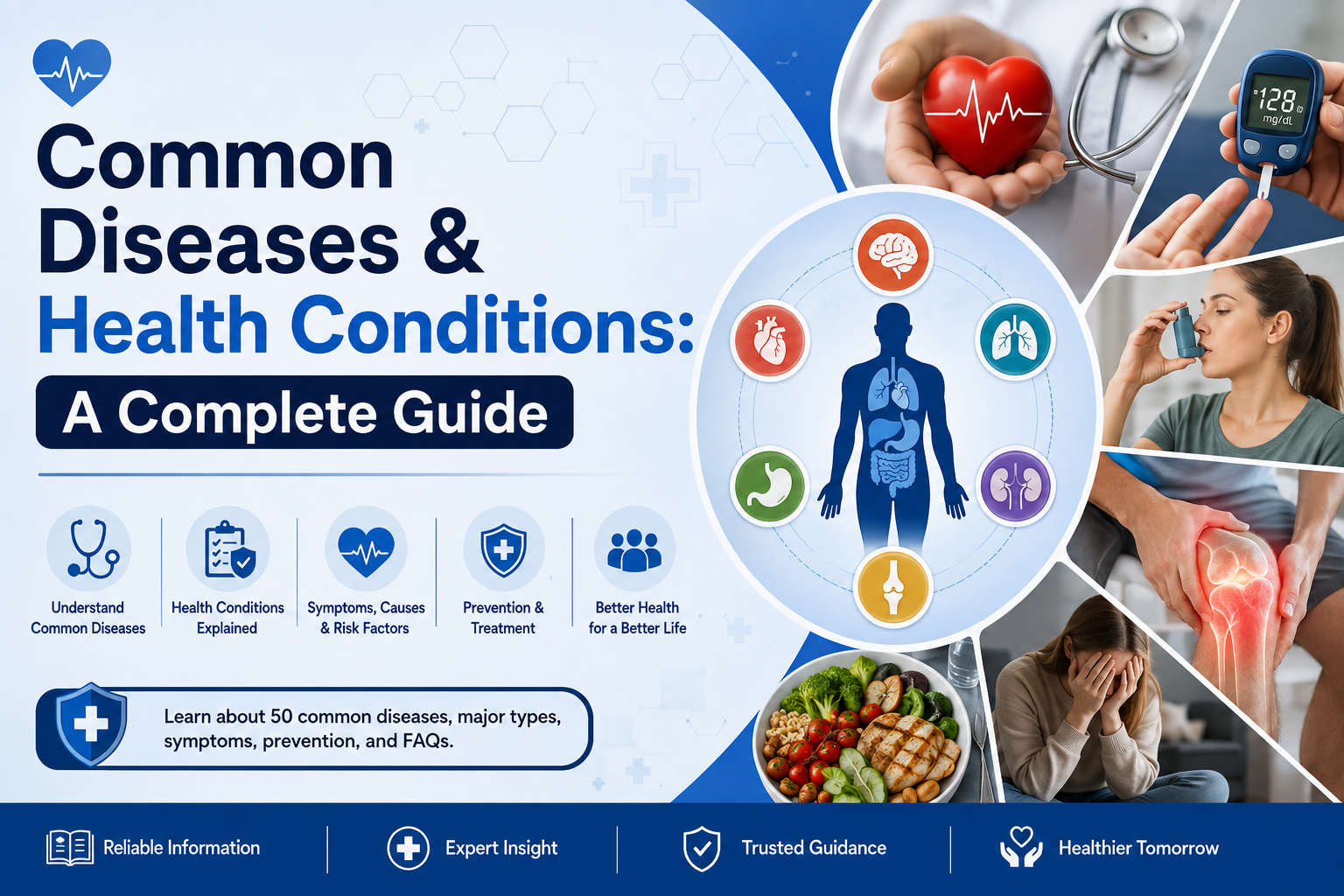
Understanding common diseases and health conditions can help you recognize possible warning signs, understand risk factors, and know when it may be appropriate to seek medical care. Health conditions can affect almost every part of the body, from the heart, lungs, and digestive system to the brain, skin, kidneys, and immune system.
There are thousands of recognized diseases and medical conditions, and they can be grouped in many different ways. Some are infectious and can spread from person to person, while others are chronic conditions that develop over time. Some conditions are temporary and relatively mild, whereas others require long-term treatment and monitoring.
Major health organizations commonly organize diseases by causes, body systems, symptoms, and other medical categories. Cleveland Clinic’s health library, for example, provides a broad directory of diseases and conditions that can be searched and browsed by category.
This guide explains some of the most common diseases and health conditions, the difference between acute and chronic illnesses, common symptoms, major disease categories, and when you should consider speaking with a healthcare professional.
What Are Some Common Health Conditions and Diseases?
Common diseases and health conditions include illnesses that affect large numbers of people around the world. They can range from short-term infections such as the common cold to long-term conditions such as diabetes, high blood pressure, asthma, and heart disease.
Some conditions are caused primarily by infections, while others are associated with genetics, lifestyle, environmental exposures, aging, or a combination of factors.
Examples of commonly encountered diseases and health conditions include:
- High blood pressure
- Diabetes
- Heart disease
- Asthma
- Chronic obstructive pulmonary disease
- Arthritis
- High cholesterol
- Obesity
- Migraine
- Depression
- Anxiety disorders
- Allergies
- Gastroesophageal reflux disease
- Chronic kidney disease
- Osteoporosis
- Cancer
- Influenza
- Pneumonia
- Tuberculosis
- Viral infections
The meaning of “Common Diseases” can vary depending on the country, age group, population, and data source. A condition that is widespread in one region may be less common in another.
Read Also: Calorie Calculator – How Many Calories Do You Need Per Day?
What Are 50 Common Diseases?
There is no single worldwide list that officially defines the 50 most common diseases. Different health organizations use different datasets and definitions, and prevalence can vary significantly between countries.
However, the following examples represent a broad selection of frequently encountered diseases and health conditions across different medical categories:
- High blood pressure
- Type 2 diabetes
- High cholesterol
- Coronary heart disease
- Stroke
- Asthma
- Chronic obstructive pulmonary disease
- Arthritis
- Osteoporosis
- Obesity
- Chronic kidney disease
- Migraine
- Gastroesophageal reflux disease
- Irritable bowel syndrome
- Peptic ulcer disease
- Allergic rhinitis
- Eczema
- Psoriasis
- Acne
- Influenza
- Common cold
- Pneumonia
- Tuberculosis
- Hepatitis
- Urinary tract infections
- Dengue
- Malaria
- COVID-19
- Anemia
- Thyroid disorders
- Depression
- Anxiety disorders
- Alzheimer’s disease
- Parkinson’s disease
- Epilepsy
- Cataracts
- Glaucoma
- Hearing loss
- Chronic sinusitis
- Endometriosis
- Polycystic ovary syndrome
- Benign prostate enlargement
- Chronic liver disease
- Gallstones
- Kidney stones
- Celiac disease
- Rheumatoid arthritis
- Gout
- Skin infections
- Certain types of cancer
This list should be viewed as a general overview rather than a universal ranking. Some conditions are common because they affect a large portion of a population, while others are important because they cause significant illness or death.
What Are 10 Common Diseases?
If you want a shorter list, several Common Diseases and health conditions are frequently encountered in clinical and community settings.
1. High Blood Pressure
High blood pressure, also called hypertension, occurs when blood pressure remains elevated over time. It often does not cause obvious symptoms, which is why regular blood pressure checks are important.
Untreated hypertension can increase the risk of cardiovascular complications, including heart disease and stroke.
2. Diabetes
Diabetes affects how the body regulates blood glucose. Type 1 diabetes occurs when the body does not produce enough insulin because of an autoimmune process, while type 2 diabetes is associated with insulin resistance and other metabolic factors.
Managing blood glucose, maintaining a healthy lifestyle, and following appropriate medical treatment can help reduce the risk of complications.
3. Heart Disease
Heart disease includes several conditions affecting the heart and blood vessels. Coronary artery disease is one important form of cardiovascular disease.
According to the World Health Organization, cardiovascular diseases are the leading category of noncommunicable disease deaths globally.
4. Asthma
Asthma is a chronic respiratory condition that can cause episodes of wheezing, coughing, chest tightness, and difficulty breathing.
Symptoms may be triggered by allergens, respiratory infections, exercise, air pollution, smoke, or other factors.
5. Arthritis
Arthritis refers to a group of conditions that affect joints. Different types include osteoarthritis, rheumatoid arthritis, and gout.
Symptoms may include joint pain, stiffness, swelling, or reduced movement.
6. Chronic Obstructive Pulmonary Disease
Chronic obstructive pulmonary disease, commonly called COPD, is a group of chronic lung conditions that can make breathing difficult.
Smoking is an important risk factor, although other environmental exposures can also contribute.
7. Migraine
Migraine is a neurological condition that can cause recurring headaches, often accompanied by symptoms such as nausea and sensitivity to light or sound.
Migraine symptoms can vary considerably between individuals.
8. Obesity
Obesity is a complex health condition involving excessive body fat that can affect overall health. It is associated with an increased risk of several other conditions, including type 2 diabetes, cardiovascular disease, and certain cancers.
9. Depression
Depression is a mental health condition that can affect mood, interest, energy, sleep, concentration, and everyday functioning.
Persistent symptoms should not be dismissed as simply having a bad day. Professional support can be helpful.
10. Chronic Kidney Disease
Chronic kidney disease occurs when kidney function or kidney structure is impaired over time.
Diabetes and high blood pressure are important risk factors for chronic kidney disease, making management of these conditions particularly important.
What Are the Top 20 Diseases?
The phrase “top 20 Common Diseases” can mean different things. Some people use it to mean the most prevalent diseases, while others mean diseases responsible for the most deaths.
These are not the same thing.
For example, a condition may affect millions of people but have a relatively low mortality rate, while another disease may affect fewer people but cause a much larger number of deaths.
According to the WHO, noncommunicable diseases caused at least 43 million deaths in 2021, representing about 75% of non-pandemic-related deaths globally. Cardiovascular diseases accounted for the largest share, followed by cancers, chronic respiratory diseases, and diabetes.
For a broad health overview, 20 major diseases and conditions worth knowing about include:
- Cardiovascular disease
- Stroke
- Cancer
- Diabetes
- High blood pressure
- Chronic obstructive pulmonary disease
- Asthma
- Chronic kidney disease
- Alzheimer’s disease and other dementias
- Arthritis
- Obesity
- Chronic liver disease
- Tuberculosis
- Malaria
- Pneumonia
- Influenza
- Migraine
- Depression
- Anxiety disorders
- Osteoporosis
This is not intended to represent a strict global ranking. Official rankings depend on whether researchers are measuring prevalence, deaths, disability, or another health outcome.
Major Types of Diseases and Health Conditions
Common Diseases can be classified into several broad groups. Understanding these categories makes it easier to see how different conditions develop and affect the body.
Infectious Diseases
Infectious diseases are caused by organisms such as viruses, bacteria, fungi, or parasites. Some can spread directly or indirectly between people.
Examples include influenza, tuberculosis, malaria, certain forms of hepatitis, and many respiratory infections.
Prevention can involve vaccination, hygiene, safe food and water practices, infection-control measures, and appropriate treatment.
Cardiovascular Diseases
Cardiovascular diseases affect the heart and blood vessels. They include conditions such as coronary heart disease, stroke, heart failure, and other vascular disorders.
WHO identifies cardiovascular diseases as the largest category of noncommunicable disease deaths worldwide.
Risk factors can include high blood pressure, high blood glucose, abnormal cholesterol, tobacco exposure, physical inactivity, and unhealthy dietary patterns.
Respiratory Diseases
Respiratory diseases affect the lungs and airways.
Common examples include asthma, COPD, pneumonia, influenza, and other respiratory infections.
Smoking, air pollution, occupational exposures, allergies, infections, and genetics can all play a role depending on the condition.
Digestive Diseases
Digestive disorders affect the gastrointestinal tract and related organs.
Examples include acid reflux, irritable bowel syndrome, inflammatory bowel diseases, gallstones, celiac disease, and certain liver conditions.
Symptoms can include abdominal pain, bloating, nausea, vomiting, diarrhea, constipation, or changes in appetite.
Neurological Conditions
Neurological diseases affect the brain, spinal cord, or nerves.
Examples include migraine, epilepsy, Parkinson’s disease, Alzheimer’s disease, multiple sclerosis, and certain forms of neuropathy.
Symptoms vary widely depending on the affected part of the nervous system.
Endocrine and Metabolic Conditions
These conditions involve hormones, metabolism, or the body’s regulation of energy.
Diabetes, thyroid disorders, obesity, and certain metabolic disorders fall into this broad category.
Hormonal changes can affect many parts of the body, which is why symptoms may sometimes appear unrelated to the underlying condition.
Autoimmune Diseases
Autoimmune diseases occur when the immune system mistakenly attacks the body’s own tissues.
Examples include rheumatoid arthritis, lupus, multiple sclerosis, type 1 diabetes, and some thyroid disorders.
Autoimmune diseases can affect different organs and may have periods of increased or reduced activity.
Skin Diseases
Skin conditions range from temporary infections and allergic reactions to chronic inflammatory disorders.
Common examples include acne, eczema, psoriasis, fungal infections, and certain bacterial skin infections.
Changes in a mole, persistent sores, unusual rashes, or skin changes that do not heal may require professional evaluation.
Mental Health Conditions
Mental health conditions can affect emotions, thoughts, behavior, sleep, relationships, and everyday functioning.
Common examples include depression, anxiety disorders, bipolar disorder, and certain trauma-related conditions.
Mental health is an important part of overall health and should be discussed with a qualified professional when symptoms are persistent or interfere with daily life.
What Is the Difference Between a Disease and a Health Condition?
The terms disease, illness, disorder, and health condition are often used interchangeably in everyday conversation, although they can have different meanings in medical contexts.
A disease generally refers to a specific abnormal process that affects normal body function. A health condition is a broader term that can include diseases, disorders, injuries, and other medical circumstances.
For example, diabetes is a disease, while pregnancy is a health condition but is not generally considered a disease.
The exact terminology can vary depending on the medical context.
Acute vs. Chronic Diseases
Another useful way to classify health conditions is by duration.
Acute Conditions
Acute conditions generally develop suddenly and may last for a relatively short period.
Examples can include certain infections, injuries, and episodes of illness.
Chronic Conditions
Chronic conditions tend to last for a long time and may require ongoing management.
Examples include diabetes, hypertension, asthma, COPD, arthritis, and chronic kidney disease.
Some chronic conditions can be managed effectively even though they may require long-term monitoring or treatment.
Common Symptoms You Should Not Ignore
Symptoms can have many different causes, and experiencing one symptom does not automatically mean that you have a particular disease.
However, certain symptoms can require prompt medical evaluation, especially when they are severe, sudden, or unusual for you.
Examples include:
- Severe or sudden chest pain
- Serious difficulty breathing
- Sudden weakness or numbness
- Sudden difficulty speaking
- Loss of consciousness
- Severe allergic reactions
- Unexplained significant bleeding
- Persistent high fever with serious symptoms
- Sudden severe headache
- New confusion or major changes in awareness
Emergency symptoms should be evaluated urgently rather than diagnosed through an online article.
What Causes Common Diseases?
There is rarely one cause responsible for every disease.
Some conditions are caused primarily by infections, while others result from combinations of genetic, environmental, behavioral, and physiological factors.
For chronic diseases, important risk factors can include tobacco use, physical inactivity, unhealthy dietary patterns, harmful alcohol use, air pollution, elevated blood pressure, high blood glucose, and obesity. WHO identifies these as important contributors to the global burden of noncommunicable diseases.
Family history can also influence the risk of certain diseases. This does not mean that someone will definitely develop a condition, but it can be an important factor to discuss with a healthcare professional.
How Can Common Diseases Be Prevented?
Not every disease can be prevented, but many health risks can be reduced through healthy habits and appropriate medical care.
A balanced diet, regular physical activity, avoiding tobacco, maintaining a healthy weight, getting recommended vaccinations, managing blood pressure and blood glucose, and attending appropriate health screenings can all contribute to better health.
Prevention should be personalized. The appropriate screening schedule and preventive measures depend on factors such as age, sex, family history, lifestyle, and existing health conditions.
When Should You See a Doctor?
You should consider speaking with a healthcare professional when a symptom is persistent, worsening, unexplained, or interfering with your normal activities.
Regular medical checkups can also help identify certain conditions before significant symptoms develop. This is particularly important for conditions such as high blood pressure and some metabolic disorders that may have few noticeable symptoms in their early stages.
Do not rely on an online list of diseases to diagnose yourself. A healthcare professional may use your medical history, physical examination, laboratory tests, imaging, or other diagnostic methods to determine the cause of symptoms.
Why Health Conditions Can Be Different From Person to Person
The same disease can affect two people differently.
One person may experience mild symptoms, while another may have more severe complications. Age, genetics, existing medical conditions, medications, immune function, lifestyle, and access to healthcare can all influence outcomes.
This is why general health information can help you understand a condition but cannot replace an individualized medical evaluation.
100 Most Common Medical Conditions
The 100 most common medical conditions can vary depending on the country, age group, and health data being studied. Common conditions include high blood pressure, diabetes, high cholesterol, heart disease, obesity, asthma, arthritis, allergies, migraine, digestive disorders, kidney disease, mental health conditions, and common infections. Some conditions are short-term illnesses, while others require long-term management and regular medical care.
Rather than relying on a single worldwide ranking, it is more useful to understand the major conditions that commonly affect different populations. Factors such as lifestyle, genetics, age, environment, access to healthcare, and infectious disease exposure can all influence how frequently a condition occurs.
Medical Conditions List A-Z
A medical conditions list A-Z can be useful for finding information about diseases, disorders, symptoms, and other health conditions. Medical conditions may affect almost any part of the body, including the heart, lungs, brain, digestive system, kidneys, skin, bones, and immune system.
An alphabetical list can include conditions such as asthma, arthritis, diabetes, eczema, heart disease, migraine, osteoporosis, pneumonia, thyroid disorders, and many others. However, an A-Z list is intended for general information and should not be used to diagnose a condition based only on symptoms.
List of Common Illnesses
A list of common illnesses includes conditions that people frequently experience in everyday life. These can range from relatively mild illnesses such as the common cold and influenza to chronic conditions such as diabetes, high blood pressure, asthma, and arthritis.
Common illnesses may cause symptoms such as fever, cough, fatigue, pain, digestive problems, headaches, breathing difficulties, or changes in appetite. The same symptom can have many possible causes, so persistent or severe symptoms should be evaluated by a healthcare professional.
All Disease Name List PDF
An all disease name list PDF may be useful as a reference for students, researchers, healthcare learners, or anyone looking for an organized overview of medical conditions. However, no single document can realistically contain every disease and medical condition because medical classifications and terminology continue to change.
Disease names can also differ between medical classification systems and countries. For accurate information, readers should use reliable medical sources and check the specific condition rather than relying only on a general disease-name list.
List of Diseases in Humans
The list of diseases in humans includes infectious diseases, chronic diseases, genetic disorders, autoimmune conditions, neurological diseases, cardiovascular diseases, respiratory illnesses, cancers, and many other health conditions.
Human diseases can have very different causes. Some are caused by viruses, bacteria, fungi, or parasites, while others are linked to genetics, immune-system problems, environmental exposures, metabolic changes, aging, or multiple risk factors. Understanding the category and cause of a disease can help explain how it is diagnosed, treated, and prevented.
Medical Disease Name List
A medical disease name list provides an overview of diseases and disorders that can affect different organs and body systems. Examples include cardiovascular diseases, respiratory diseases, digestive disorders, neurological conditions, endocrine disorders, autoimmune diseases, skin conditions, and mental health disorders.
Medical terminology can sometimes be difficult to understand because the same condition may have a medical name, a common name, or several related terms. When researching a disease, it is important to check a reliable medical source for its symptoms, causes, diagnosis, treatment options, and risk factors.
NHS A to Z Disease Conditions
An NHS A to Z disease conditions resource is useful for people looking for health information organized alphabetically. An A-to-Z approach makes it easier to locate information about specific illnesses, symptoms, treatments, and medical conditions.
When using an online health information resource, readers should remember that general information cannot replace an examination or diagnosis from a healthcare professional. If symptoms are severe, persistent, or getting worse, appropriate medical advice should be sought.
20 Most Common Diseases
The 20 most common diseases can differ depending on whether the ranking is based on the number of people affected, deaths, disability, or another measure. Conditions frequently discussed in global and community health include cardiovascular disease, high blood pressure, diabetes, cancer, stroke, asthma, COPD, arthritis, obesity, chronic kidney disease, migraine, depression, and several infectious diseases.
There is therefore no single worldwide ranking that can accurately describe the 20 most common diseases for every population. Health statistics should always be interpreted according to the country, population, age group, and measurement being used.
What Are 50 Common Diseases?
There is no universally accepted list of exactly 50 common diseases because prevalence differs between populations and countries. A broad list can include high blood pressure, type 2 diabetes, high cholesterol, heart disease, stroke, asthma, COPD, arthritis, osteoporosis, obesity, chronic kidney disease, migraine, digestive disorders, allergies, skin conditions, influenza, pneumonia, tuberculosis, urinary tract infections, depression, anxiety disorders, thyroid disorders, and several types of cancer.
These examples represent commonly encountered health conditions rather than an official global ranking. The frequency of each disease depends on factors such as age, geography, lifestyle, genetics, environmental exposure, and healthcare access.
What Are Some Common Health Conditions and Diseases?
Some common health conditions and diseases include high blood pressure, diabetes, heart disease, asthma, arthritis, obesity, high cholesterol, migraine, allergies, digestive disorders, chronic kidney disease, mental health conditions, and infectious diseases.
Health conditions can affect people differently. Some may produce obvious symptoms, while others, such as high blood pressure, may remain unnoticed for a long time. Regular healthcare visits and appropriate screening can help identify certain conditions before they lead to serious complications.
What Are 10 Common Diseases?
Ten commonly encountered diseases and health conditions include high blood pressure, diabetes, heart disease, asthma, arthritis, COPD, migraine, obesity, depression, and chronic kidney disease.
This list is a general health overview rather than an official ranking. The diseases that are most common can vary according to location, age, population characteristics, and the health outcome being measured.
Frequently Asked Questions
What are 50 common diseases?
There is no universally accepted list of exactly 50 common diseases because disease prevalence differs by country, population, age group, and data source. Commonly encountered conditions include high blood pressure, diabetes, heart disease, asthma, arthritis, obesity, high cholesterol, COPD, migraine, infections, kidney disease, digestive disorders, and several types of cancer.
What are some common health conditions and diseases?
Common health conditions include high blood pressure, diabetes, heart disease, asthma, COPD, arthritis, obesity, high cholesterol, migraine, allergies, digestive disorders, kidney disease, mental health conditions, and various infections. The most common conditions vary by population and region.
What are 10 common diseases?
Ten commonly encountered diseases and health conditions include high blood pressure, diabetes, heart disease, asthma, arthritis, COPD, migraine, obesity, depression, and chronic kidney disease. This is a general health overview rather than an official worldwide ranking.
What are the top 20 diseases?
There is no single official worldwide “top 20 diseases” ranking because diseases can be ranked according to prevalence, mortality, disability, or other measures. Major diseases with a substantial global health impact include cardiovascular disease, cancer, stroke, diabetes, COPD, chronic kidney disease, respiratory infections, tuberculosis, malaria, and several neurological and mental health conditions. WHO reports that cardiovascular diseases, cancers, chronic respiratory diseases, and diabetes account for a large share of global noncommunicable disease deaths.
What is the most common chronic disease?
There is no single answer that applies to every country and population. Common chronic diseases include high blood pressure, high cholesterol, obesity, diabetes, arthritis, asthma, and heart disease. Cleveland Clinic lists several of these among common chronic diseases in the United States.
What are the main categories of Common Diseases?
Diseases can be categorized in many ways, including infectious diseases, cardiovascular diseases, respiratory diseases, neurological conditions, digestive diseases, endocrine and metabolic disorders, autoimmune diseases, cancers, skin diseases, and mental health conditions. Medical libraries may also organize health information by body system, symptoms, diagnostics, treatments, and procedures.
Can common diseases be prevented?
Some Common Diseases can be prevented, or their risk can be reduced, while others cannot be completely prevented. Healthy eating, regular physical activity, avoiding tobacco, recommended vaccinations, appropriate screening, and managing risk factors such as high blood pressure and high blood glucose can help reduce the risk of many conditions. WHO identifies tobacco use, physical inactivity, unhealthy diets, harmful alcohol use, and air pollution as important risk factors for noncommunicable diseases.
Conclusion
Diseases and health conditions can affect nearly every part of the body and range from short-term infections to lifelong chronic illnesses. Understanding common conditions can help you recognize health risks, learn about prevention, and know when professional medical advice may be appropriate.
There is no single list that can accurately define the world’s “top” or “most common” diseases for every population. Disease prevalence and mortality vary by country, age, lifestyle, and many other factors.
The most important approach is to focus on reliable health information and avoid diagnosing yourself based only on symptoms or online disease lists. If you experience persistent, severe, or concerning symptoms, a qualified healthcare professional can provide an appropriate evaluation.
