
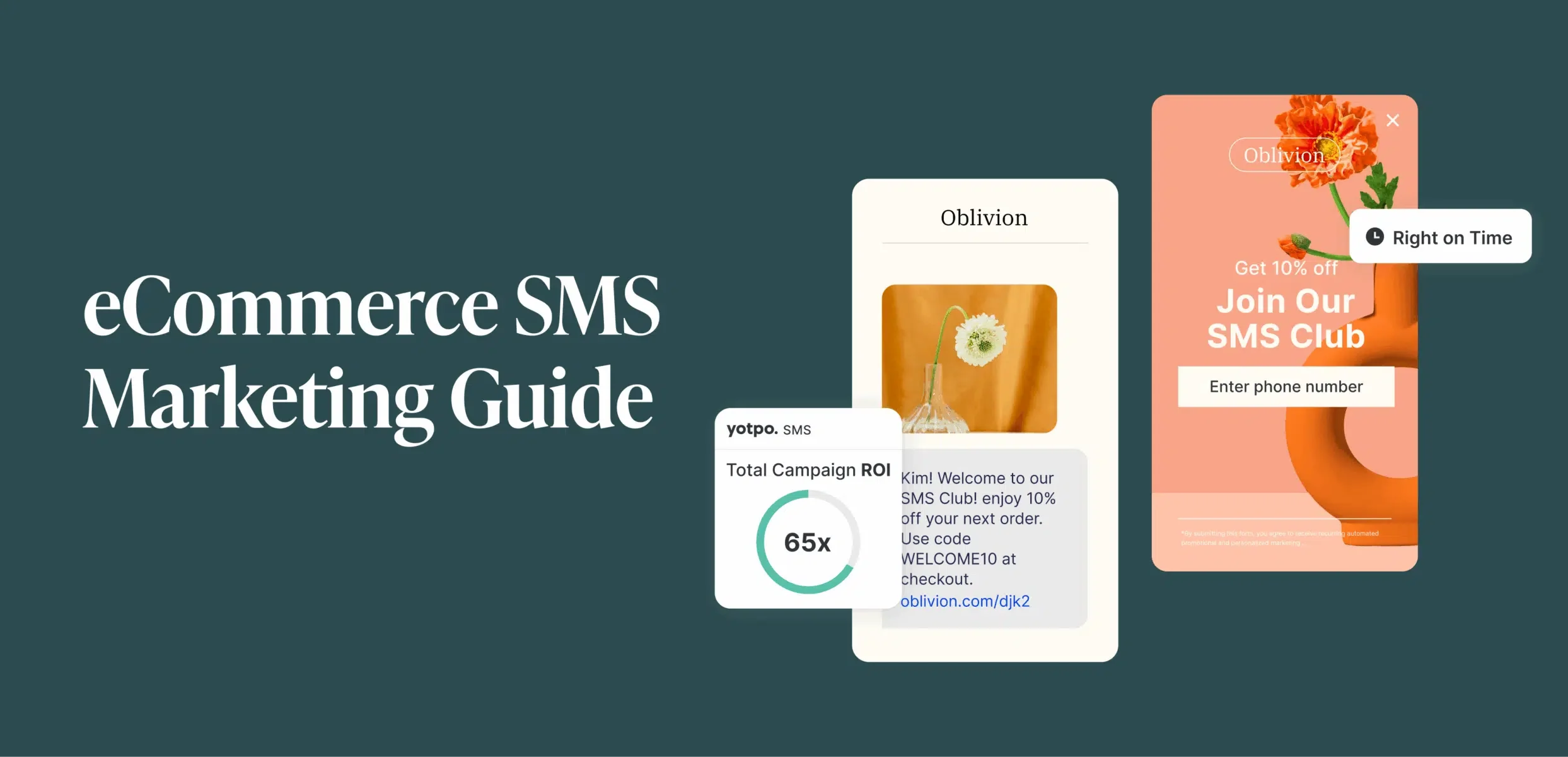
eCommerce SMS marketing is one of the most direct ways for an online business to communicate with customers. Instead of waiting for customers to open an email or notice a social media post, SMS marketing allows brands to send permission-based text messages directly to a customer’s mobile phone.
For ecommerce businesses, SMS can be used for promotional offers, flash sales, product launches, abandoned-cart reminders, order updates, back-in-stock alerts, customer support, loyalty campaigns and personalized recommendations.
A successful SMS strategy is not simply about sending more text messages. Businesses need to collect proper consent, choose the right SMS marketing platform, segment subscribers, create useful messages, automate customer journeys and monitor campaign performance. In the United States, businesses also need to pay close attention to applicable messaging laws and consent requirements.
This complete guide explains what ecommerce SMS marketing is, how it works, how to build an SMS subscriber list, SMS marketing strategies, examples, automation, Shopify integration, compliance, costs, metrics and best practices.
What Is eCommerce SMS Marketing?
eCommerce SMS marketing is the use of text messages to communicate with customers and potential customers for marketing, sales, customer engagement and transactional purposes.
An online store may send an SMS when a customer joins its text list, starts a sale, abandons a cart, purchases a product, receives a shipping update or becomes eligible for a special offer.
Unlike many other digital marketing channels, SMS reaches customers through a device they frequently carry with them. This makes it particularly useful for time-sensitive communication.
SMS marketing should be permission-based. Businesses should not simply collect phone numbers from customers and start sending promotional messages. Consent, disclosure and opt-out processes are important parts of a compliant SMS program. Shopify similarly recommends obtaining explicit consent and providing a straightforward way for recipients to opt out.
How Does SMS Marketing Work for Ecommerce?
The basic SMS marketing process is straightforward.
First, an ecommerce store creates an SMS opt-in opportunity on its website, checkout experience, email signup forms or other customer touchpoints. Customers voluntarily provide their phone number and consent to receive messages.
The business then stores those subscribers in an SMS marketing platform. The platform can be connected with an ecommerce store, customer database or CRM.
Once the list is established, marketers can send broadcast campaigns or create automated SMS flows.
For example, a customer might receive a welcome message immediately after subscribing. If that customer later adds an item to a cart without completing checkout, an automated abandoned-cart message may be triggered.
This combination of campaigns and automation allows ecommerce businesses to communicate with customers at different stages of the buying journey.
Why Is SMS Marketing Important for Ecommerce?
SMS marketing can complement email marketing, paid advertising, social media and other ecommerce channels.
One major advantage is immediacy. Text messages are delivered directly to mobile devices, making SMS useful for limited-time promotions, product launches, order updates and other time-sensitive communication. Shopify identifies direct communication, personalization, mobile-first engagement and measurable campaign performance among the major benefits of ecommerce SMS marketing.
SMS can also become a valuable retention channel. Instead of communicating with a customer only when they visit a website, an ecommerce brand can maintain an ongoing permission-based relationship through useful and relevant messages.
Benefits of eCommerce SMS Marketing
Direct Customer Communication
SMS provides a direct communication channel between an ecommerce brand and its subscribers. Customers do not need to open an app or visit a website to receive the message.
Faster Promotional Communication
SMS can be useful for flash sales, limited-time discounts, product launches and other offers where timing matters.
Personalized Customer Experiences
Businesses can use customer information and shopping behavior to create more relevant messages. For example, a customer who previously purchased running shoes could receive information about a related product or new collection.
Higher Customer Engagement
Because SMS is a direct communication channel, customers can interact with brands through replies, links and calls to action.
Improved Customer Retention
SMS can support repeat purchases by keeping customers informed about new products, loyalty rewards, special offers and relevant updates.
Abandoned Cart Recovery
An automated SMS reminder can encourage customers to return to products they added to their cart but did not purchase. Shopify specifically identifies abandoned-cart SMS as an ecommerce use case.
Real-Time Order Updates
SMS can also be used for order confirmations, shipping notifications and delivery updates, giving customers useful information after a purchase.
How to Start SMS Marketing for an Online Store
Starting an ecommerce SMS marketing strategy does not require hundreds of campaigns. A simple foundation can be built in several steps.
Define Your SMS Marketing Goals
Before sending messages, decide what you want SMS to accomplish.
Your goals might include increasing sales, recovering abandoned carts, generating repeat purchases, promoting new products, improving customer retention or providing order updates.
Clear goals make it easier to determine which campaigns and metrics matter.
Choose an SMS Marketing Platform
An SMS marketing platform should support features such as subscriber management, automation, segmentation, campaign scheduling, analytics, personalization and ecommerce integrations.
For Shopify stores, SMS platforms can connect with store data and customer segments. Shopify also offers its own messaging capabilities and supports integrations with SMS marketing tools.
Build an SMS Subscriber List
Your SMS strategy depends on having subscribers who have properly opted in.
You can promote SMS signup through website pop-ups, checkout experiences, landing pages, email campaigns, social media and promotional offers.
A common approach is to offer a legitimate incentive, such as a discount or early access to a sale, while clearly explaining what customers are agreeing to receive.
Create a Welcome SMS Flow
Your first message should confirm the subscription and explain what customers can expect.
A welcome flow might introduce the brand, deliver a signup incentive and provide a link to the store.
Segment Your Audience
Do not treat every subscriber as identical.
Useful ecommerce SMS segments can include new subscribers, first-time customers, repeat buyers, VIP customers, customers who have not purchased recently, customers interested in specific products and customers who abandoned carts.
Segmentation can make SMS campaigns more relevant and reduce unnecessary messages. Shopify also recommends using customer behavior, purchase history and other data to personalize SMS communication.
How to Build an SMS Marketing List
Growing an SMS list should focus on quality rather than simply collecting as many phone numbers as possible.
Website SMS Pop-Ups
A website pop-up can invite visitors to subscribe to text messages. The offer should clearly communicate the value of joining.
Checkout SMS Signup
Ecommerce businesses can provide an appropriate SMS opt-in opportunity during checkout, subject to applicable consent requirements.
Email-to-SMS Promotion
Businesses with an existing email audience can promote their SMS program through email.
Instagram, TikTok, Facebook and other social channels can be used to promote an SMS signup page or keyword-based opt-in method.
Exclusive SMS Offers
An exclusive discount, early access opportunity or product announcement can give customers a reason to subscribe.
Best eCommerce SMS Marketing Strategies
1. Welcome SMS Campaign
The welcome message is often the first marketing communication a subscriber receives.
Use it to confirm the subscription, introduce the brand and deliver any promised incentive.
2. Abandoned Cart SMS
Abandoned-cart automation reminds shoppers about products they left behind.
The message should be helpful rather than aggressive. Depending on the business, the flow can include a simple reminder followed by another message later.
3. Flash Sale SMS
Flash-sale messages are designed for limited-time promotions.
Keep the offer clear, explain when it ends and provide a direct link to the relevant product or collection.
4. New Product Launch SMS
SMS can be used to announce new products to subscribers.
For customers who have opted in, early-access messages can create a sense of exclusivity.
5. Back-in-Stock SMS
If a product sells out, customers can be invited to receive an alert when it becomes available again.
Back-in-stock messages are especially useful when shoppers have already shown interest in a particular product.
6. Promotional Discount SMS
Brands can send subscribers exclusive coupons, seasonal promotions or limited-time discounts.
The message should clearly communicate the benefit and expiration date.
7. Order Confirmation SMS
Transactional SMS can keep customers informed after they place an order.
Depending on the system and applicable rules, messages can include confirmation, shipping and delivery information.
8. Post-Purchase SMS
The customer relationship does not end after checkout.
A post-purchase flow can provide helpful information, request feedback, recommend related products or encourage a future purchase.
9. Win-Back SMS Campaign
A win-back campaign targets customers who have not purchased or interacted with the brand for a period of time.
The message can remind them about the brand, introduce something new or provide a relevant incentive.
10. Loyalty and VIP SMS
Loyal customers can receive early access, loyalty rewards, exclusive products or special announcements.
This can make SMS part of a broader customer-retention strategy.
SMS Marketing Examples for Ecommerce
Welcome SMS Example
“Welcome to [Brand]! Thanks for joining our text list. Your exclusive offer is ready: [LINK]. Reply STOP to opt out.”
Flash Sale SMS Example
“Today only: Save [X]% on selected products. The offer ends at midnight. Shop now: [LINK]”
New Product SMS Example
“Something new just dropped. Explore our latest collection before it sells out: [LINK]”
Back-in-Stock SMS Example
“Good news! The product you were waiting for is back in stock. Shop now: [LINK]”
Abandoned Cart SMS Example
“Still thinking about it? Your selected items are waiting in your cart: [LINK]”
Post-Purchase SMS Example
“Thanks for your order! We’ll keep you updated as it moves through delivery. View your order: [LINK]”
Win-Back SMS Example
“We miss you! Come back and discover what’s new at [Brand]: [LINK]”
These examples should be adapted to the brand, customer relationship, consent language and applicable messaging requirements rather than copied blindly.
SMS Marketing Automation for Ecommerce
Automation allows businesses to send messages based on customer actions or predefined conditions.
Common automated SMS flows include:
Welcome Flow
Triggered when a new subscriber joins.
Abandoned Cart Flow
Triggered when a shopper leaves products in their cart.
Browse Abandonment Flow
Triggered when an eligible customer browses products without purchasing, where the platform and applicable rules support the use case.
Post-Purchase Flow
Triggered after an order.
Shipping Flow
Triggered when an order is shipped or updated.
Delivery Flow
Triggered when an order is delivered.
Review Request Flow
Triggered after an appropriate period following delivery.
Win-Back Flow
Triggered after a customer becomes inactive.
Back-in-Stock Flow
Triggered when an interested product becomes available.
Automation can reduce repetitive manual work while allowing businesses to communicate at relevant stages of the customer journey.
SMS Marketing for Shopify
Shopify merchants can use SMS marketing alongside their ecommerce store.
SMS tools can connect customer data, segmentation and store activity to marketing campaigns. Shopify’s current guidance highlights SMS uses including product announcements, special offers, flash sales, loyalty programs, product-drop alerts and automated order communication.
When choosing an SMS app for Shopify, consider integrations, automation, segmentation, analytics, pricing, compliance features, support and ease of use.
Best SMS Marketing Software for Ecommerce
The right SMS marketing software depends on the size of the business, audience, ecommerce platform, automation requirements and budget.
Popular categories of SMS tools include ecommerce-focused SMS platforms, marketing automation platforms, CRM-connected messaging tools and all-in-one email-and-SMS systems.
Important features to compare include:
- SMS campaigns
- Automated flows
- Subscriber segmentation
- Personalization
- Analytics
- Shopify integration
- Customer profiles
- Two-way messaging
- Compliance tools
- Opt-in management
- Opt-out handling
- Scheduling
- Reporting
Shopify currently identifies tools such as Postscript, Klaviyo, Attentive and Yotpo among SMS marketing services used by Shopify merchants.
SMS Marketing vs Email Marketing
SMS and email marketing are not necessarily competitors. Ecommerce businesses can use both channels as part of an omnichannel strategy.
Email provides more space for detailed information, images, product collections and long-form content.
SMS is better suited to short, direct and time-sensitive communication.
For example, an ecommerce business could use email to explain a new collection and SMS to notify opted-in customers when the sale begins.
Using both channels strategically can create a more connected customer journey.
SMS Marketing vs Email Marketing: Which Should You Use?
The answer depends on the communication goal.
Use email when customers need detailed information, multiple products, longer explanations or visually rich content.
Use SMS when the message is short, time-sensitive, conversational or requires quick attention.
Many ecommerce brands can use email and SMS together instead of choosing only one channel.
SMS Marketing Compliance in the USA
SMS marketing in the United States requires careful attention to applicable federal and state requirements.
Businesses should obtain appropriate consent before sending marketing messages, maintain records of consent, identify the sender appropriately and provide clear ways for subscribers to stop receiving messages.
The Telephone Consumer Protection Act and related rules are important considerations for businesses sending marketing texts in the U.S. Shopify’s ecommerce SMS guidance also emphasizes consent and opt-out requirements.
Because legal requirements can change and specific situations can be complicated, businesses should review current requirements with qualified legal counsel and their SMS provider before launching a campaign.
What Is TCPA SMS Marketing?
TCPA refers to the Telephone Consumer Protection Act, a U.S. law governing certain types of telephone communications, including some marketing messages sent through automated systems.
For ecommerce marketers, the key lesson is that SMS marketing should not be treated like ordinary advertising where a business can simply upload a list of phone numbers.
Consent and messaging practices matter.
Businesses should also keep records and follow the requirements applicable to their particular messages, technologies and audience.
How Often Should You Send SMS Marketing Messages?
There is no single frequency that works for every ecommerce business.
Sending too frequently can frustrate subscribers and increase opt-outs. Sending too rarely can make subscribers forget why they joined.
The right frequency depends on customer expectations, industry, campaign type, seasonality and subscriber engagement.
A consistent schedule combined with segmentation can help businesses avoid sending irrelevant messages. Shopify also recommends maintaining a consistent schedule while avoiding excessive communication.
Best Time to Send SMS Marketing Messages
The best time to send an SMS depends on your customers, location, campaign type and applicable messaging restrictions.
A time-sensitive flash sale may require different timing from a post-purchase message.
Instead of assuming one universal “best time,” ecommerce businesses should test different appropriate sending windows and study their own campaign performance.
Always consider the recipient’s local time and applicable regulations.
How to Write a Good SMS Marketing Message
A good marketing SMS should be easy to understand quickly.
Start with the main reason for the message. Explain the offer or information clearly, include a useful call to action and avoid unnecessary wording.
For example:
“20% off ends tonight. Shop the summer collection before midnight: [LINK]”
This is more direct than filling the message with unnecessary information.
Personalization can also improve relevance when it is used appropriately.
SMS Marketing Call-to-Action Examples
Useful CTAs can include:
- Shop now
- Get the offer
- Claim your discount
- View collection
- See what’s new
- Complete your order
- Check availability
- Track your order
- Learn more
- Shop the sale
The CTA should match the purpose of the message.
SMS Marketing Metrics to Track
Sending SMS campaigns is only the beginning. Ecommerce businesses should measure results.
Delivery Rate
Shows how many messages were successfully delivered.
Click-Through Rate
Shows how many recipients clicked a link in the message.
Conversion Rate
Shows how many recipients completed the desired action, such as making a purchase.
Revenue per Message
Helps businesses understand the revenue generated relative to messages sent.
Opt-Out Rate
Shows how many subscribers unsubscribe after receiving messages.
Subscriber Growth
Tracks how quickly the SMS list is growing.
Return on Investment
ROI compares the financial return from SMS marketing with the cost of running the program.
Tracking these metrics can help businesses identify which campaigns, audiences and messages perform best.
Common SMS Marketing Mistakes
Sending Messages Without Proper Consent
This can create legal and reputational problems.
Sending Too Many Messages
Frequent irrelevant texts can cause subscribers to opt out.
Writing Long Messages
SMS works best when the key information is easy to understand.
Ignoring Segmentation
Sending the same message to everyone can reduce relevance.
Forgetting the CTA
Customers should know what action they can take next.
Ignoring Opt-Out Requests
Businesses need a clear and effective process for handling unsubscribe requests.
Focusing Only on Discounts
Not every SMS needs to be a coupon. Useful updates, product information, loyalty benefits and customer-service communication can also provide value.
Advanced eCommerce SMS Marketing Strategies
Once the basic SMS system is working, businesses can move toward more advanced strategies.
Behavioral Segmentation
Create audiences based on browsing behavior, purchasing history and engagement.
Personalized Product Recommendations
Recommend products based on previous purchases or customer interests.
Lifecycle Marketing
Create different SMS experiences for new customers, repeat buyers, VIP customers and inactive customers.
SMS and Email Coordination
Coordinate SMS and email so customers do not receive repetitive communications through multiple channels.
A/B Testing
Test different messages, offers, CTAs and appropriate sending times to determine what performs better.
Two-Way SMS Conversations
Where supported, businesses can use SMS as a conversational channel rather than only sending one-way promotions.
SMS Marketing for Small Businesses
SMS marketing is not limited to large ecommerce companies.
Small businesses can use SMS to announce new products, promote seasonal sales, remind customers about appointments, communicate order updates and encourage repeat purchases.
The key is to start with a manageable subscriber list and focus on providing value.
SMS Marketing for DTC Brands
Direct-to-consumer brands can use SMS throughout the customer lifecycle.
A DTC SMS strategy may include welcome messages, product launches, promotional campaigns, abandoned-cart reminders, post-purchase communication, reviews, loyalty campaigns and win-back messages.
The most effective approach is usually to connect SMS with customer data rather than treating it as a standalone broadcast channel.
SMS Marketing for Black Friday and Holiday Sales
SMS can be particularly useful during major shopping periods because customers are actively looking for deals.
Brands can use SMS for early access, sale announcements, limited-time offers, product drops, reminders and last-chance notifications.
However, increased competition during holiday periods also means businesses should avoid overwhelming subscribers.
SMS Marketing for Product Launches
A product launch SMS can generate awareness among existing subscribers.
Brands can announce a launch, provide early access or notify subscribers when a product becomes available.
For high-demand products, back-in-stock alerts can also be combined with launch and retention strategies.
How Much Does SMS Marketing Cost?
SMS marketing costs vary depending on the platform, country, message volume, carrier fees, features and pricing model.
Some platforms charge based on messages, while others use subscription plans, contact counts or combinations of different pricing models.
Before selecting a provider, compare the total cost rather than looking only at the advertised monthly subscription.
Consider:
- Monthly platform fees
- Message costs
- Carrier-related charges
- Number fees
- Automation costs
- Additional users
- International messaging
- Compliance features
- Support
Is SMS Marketing Worth It for Ecommerce?
SMS can be a useful ecommerce marketing channel when it is built around permission, relevance and customer value.It can support sales campaigns, retention, customer communication, abandoned-cart recovery and automated lifecycle marketing. However, results depend on factors such as product-market fit, subscriber quality, message relevance, offer quality, campaign timing and execution. SMS should therefore be treated as part of a broader ecommerce marketing strategy rather than a guaranteed source of sales.
Frequently Asked Questions About eCommerce SMS Marketing
What is SMS marketing in ecommerce?
SMS marketing in ecommerce is the use of permission-based text messages to communicate with online shoppers about promotions, products, orders, customer service and other relevant updates.
Is SMS marketing legal in the USA?
SMS marketing can be legal in the U.S., but businesses must follow applicable consent, disclosure, opt-out and messaging requirements. Businesses should review current federal and state requirements before sending marketing texts.
How do I start SMS marketing?
Start by defining your goals, choosing an SMS marketing platform, creating a compliant opt-in process, building your subscriber list and setting up essential automations such as welcome and abandoned-cart flows.
What are the best SMS marketing examples?
Common examples include welcome texts, flash-sale announcements, product launches, back-in-stock alerts, abandoned-cart reminders, order updates, loyalty messages and win-back campaigns.
What is the best SMS marketing platform for ecommerce?
The best platform depends on your ecommerce platform, audience size, budget, automation requirements, integrations and compliance needs. Shopify merchants can compare several SMS tools and native options.
How often should an ecommerce store send SMS?
There is no universal frequency. Businesses should consider customer expectations, campaign purpose, engagement and opt-out rates while avoiding excessive messaging.
Can SMS marketing increase ecommerce sales?
SMS can contribute to ecommerce sales through promotions, abandoned-cart recovery, product launches, personalized offers and repeat-purchase campaigns. Actual results vary by business, audience and execution.
Final Thoughts on eCommerce SMS Marketing
eCommerce SMS marketing gives online businesses a direct way to communicate with customers throughout the shopping journey. From welcome messages and promotional campaigns to abandoned-cart recovery, product launches, order updates and win-back campaigns, SMS can support both customer acquisition and retention. The strongest SMS strategies focus on permission, relevance and timing. Build a quality subscriber list, segment customers, personalize messages, automate useful customer journeys and continuously measure campaign performance. Most importantly, do not treat SMS as a channel for sending endless promotions. Customers are more likely to remain engaged when the messages they receive provide a clear reason to pay attention. For ecommerce businesses in 2026, SMS can work alongside email, social media, paid advertising and other owned channels as part of a broader omnichannel marketing strategy.
