
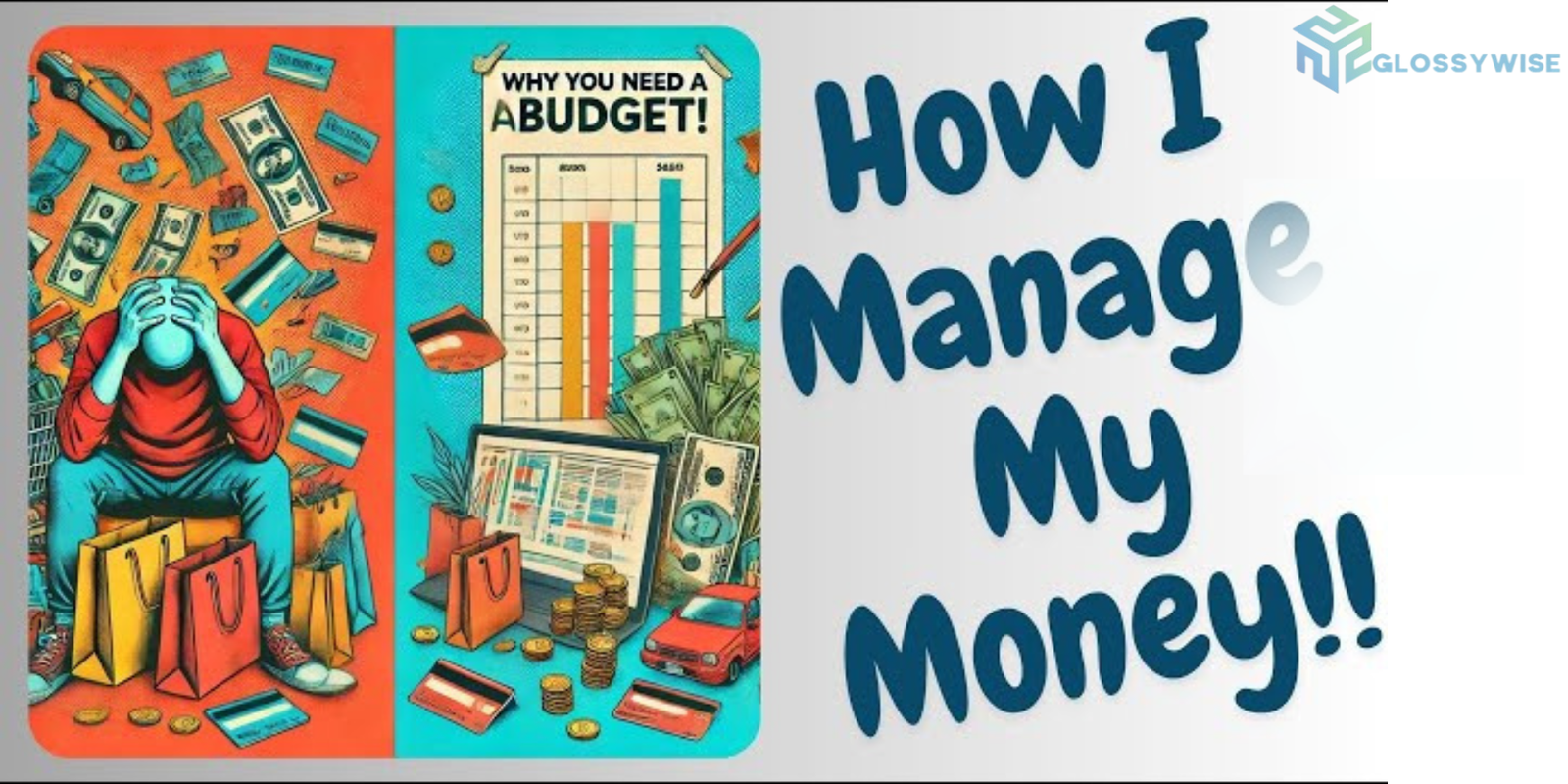
Managing your money doesn’t have to be difficult. Whether you’re saving for a house, paying off debt, or simply trying to make your paycheck last until the end of the month, creating a personal budget is one of the smartest financial decisions you can make. A well-planned budget gives you control over your spending, helps you avoid unnecessary debt, and allows you to build a more secure financial future.
Many people believe budgeting means giving up everything they enjoy, but that’s far from the truth. A good budget is designed to support your lifestyle while helping you reach your financial goals. Instead of wondering where your money went each month, you’ll know exactly how much you’re earning, spending, and saving.
You’ll learn how to create a personal budget from scratch, manage your finances effectively, avoid common budgeting mistakes, and develop healthy money habits that can benefit you for years to come.
Why Personal Budgeting Is Important
A personal budget is more than just a list of numbers. It is a financial plan that shows how your income will be used every month. Without a budget, it’s easy to overspend, rely on credit cards, or struggle to save money for emergencies and future goals.
Budgeting gives you a clear picture of your financial situation. It allows you to understand your income, monitor your expenses, and identify areas where you can reduce unnecessary spending. Instead of reacting to financial problems, you become proactive and make informed decisions about your money.
Another important benefit of budgeting is peace of mind. Financial stress often comes from uncertainty. When you know exactly where your money is going, you feel more confident about your financial future and are better prepared for unexpected expenses.
Benefits of Managing Your Finances
Learning how to manage your finances effectively can improve nearly every area of your life. Good financial management helps you stay organized, reduce stress, and make better decisions about spending and saving.
Some of the biggest benefits include:
- Greater control over your monthly income and expenses.
- Improved savings for emergencies and future goals.
- Reduced financial stress and anxiety.
- Better preparation for large purchases.
- Less dependence on loans and credit cards.
- Improved financial confidence and stability.
- More freedom to invest and build long-term wealth.
Managing your finances is not about becoming rich overnight. It’s about making smart decisions consistently and building financial security over time.
Step-by-Step Guide to Creating a Personal Budget
Creating a budget may seem overwhelming at first, but once you break the process into smaller steps, it becomes much easier. A successful budget should reflect your real income, realistic expenses, and personal financial goals.
Let’s go through each step carefully.
Calculate Your Monthly Income
The first step is determining exactly how much money you receive each month. This includes your salary, freelance income, business earnings, rental income, government benefits, or any other reliable source of income.
If your income changes from month to month, calculate the average amount you’ve earned over the past six months. This gives you a more accurate estimate and helps prevent overspending during months when your income is lower than expected.
Knowing your true monthly income creates the foundation for every financial decision you’ll make.
Track Your Monthly Expenses
After calculating your income, the next step is understanding where your money goes.
Many people underestimate how much they spend because they forget about small purchases like coffee, food delivery, online subscriptions, or impulse shopping. These small expenses can quickly add up over time.
Review your bank statements, receipts, and online payment history from the past two or three months. Write down every expense, no matter how small it seems.
Divide your expenses into categories such as:
- Housing
- Utilities
- Transportation
- Groceries
- Insurance
- Healthcare
- Entertainment
- Shopping
- Dining Out
- Savings
- Debt Payments
Once everything is listed, you’ll have a much clearer understanding of your spending habits.
Separate Needs from Wants
One of the most effective budgeting strategies is learning the difference between needs and wants.
Needs are essential expenses that you cannot avoid, such as rent, electricity, food, transportation to work, healthcare, and insurance.
Wants are expenses that improve your lifestyle but aren’t necessary for survival. Examples include streaming subscriptions, designer clothing, expensive coffee, entertainment, vacations, and luxury purchases.
Separating these categories allows you to reduce spending without sacrificing your essential needs.
This doesn’t mean eliminating everything you enjoy. Instead, it encourages smarter spending decisions that align with your financial priorities.
Set Clear Financial Goals
A budget becomes much more effective when it’s connected to specific financial goals.
Ask yourself what you want to accomplish with your money over the next year and beyond.
Some common financial goals include:
- Building an emergency fund.
- Paying off credit card debt.
- Saving for a home.
- Buying a new vehicle.
- Starting a business.
- Investing for retirement.
- Paying for education.
- Saving for travel.
Your goals should be realistic, measurable, and achievable. Having a clear purpose makes it much easier to stay committed to your budget.
Create a Realistic Spending Plan
Once you understand your income and expenses, it’s time to create your monthly budget. Start by paying for essential expenses first, including housing, food, transportation, insurance, and utility bills. Next, allocate money toward your financial goals, such as savings or debt repayment. Finally, assign a reasonable amount for personal spending and entertainment. Remember that a budget should work for your lifestyle. If your spending plan is too strict, you’ll likely abandon it after a few weeks. A realistic budget allows flexibility while keeping your finances under control.
Build an Emergency Fund
Unexpected expenses are a part of life. Medical bills, car repairs, home maintenance, or temporary job loss can happen without warning. An emergency fund provides financial protection during these situations. Financial experts generally recommend saving enough money to cover three to six months of living expenses. While this may seem like a large amount, you don’t need to save it all at once. Start by setting aside a small amount each month. Even saving a little consistently can make a significant difference over time. An emergency fund reduces financial stress and helps you avoid borrowing money during difficult situations.
Reduce Unnecessary Expenses
One of the easiest ways to improve your budget is by identifying unnecessary spending. Take a close look at your monthly expenses and ask yourself whether each purchase truly adds value to your life. You may discover subscriptions you no longer use, impulse purchases that could have been avoided, or services that can be replaced with lower-cost alternatives. Simple changes such as cooking meals at home more often, comparing insurance prices, shopping during sales, or reducing online shopping can save hundreds of dollars every month. The money you save can then be redirected toward your financial goals instead of unnecessary spending.
Review Your Budget Every Month
A personal budget should never remain the same forever. Life changes, income changes, and financial priorities change over time. Review your budget at the end of every month to see what worked well and where improvements can be made. Compare your planned expenses with your actual spending. If you consistently spend more in one category, adjust your budget rather than ignoring the problem. Regular reviews help keep your budget realistic and ensure you’re making steady progress toward your financial goals.
Best Budgeting Methods
There isn’t a single budgeting method that works for everyone. The best approach depends on your income, spending habits, and financial goals. Some people prefer a simple budget that requires very little planning, while others like tracking every dollar they spend. The important thing is to choose a system you can follow consistently rather than one that feels too complicated.
If your current budget isn’t working, don’t be afraid to try a different method. Many successful savers adjust their budgeting style as their financial situation changes. Below are three of the most popular budgeting methods that can help you manage your money more effectively.
50/30/20 Budget Rule
The 50/30/20 rule is one of the easiest budgeting methods for beginners. It divides your monthly income into three simple categories. Around 50% of your income goes toward essential needs such as rent, groceries, utilities, transportation, and insurance. About 30% can be used for personal wants like entertainment, dining out, shopping, or hobbies, while the remaining 20% should be dedicated to savings, investments, or paying off debt.
This budgeting method is easy to understand because it doesn’t require tracking every small purchase. Instead, it encourages balanced spending while making sure you continue saving for your future. If you’re just starting your budgeting journey, this method is an excellent place to begin.
Zero-Based Budget
A zero-based budget follows a different approach. Instead of simply spending what’s left after paying your bills, every dollar you earn is assigned a specific purpose before the month begins. This means your income minus your planned expenses should equal zero—not because you’ve spent everything, but because every dollar has been allocated to bills, savings, investments, or other financial goals.
Although this method requires a little more planning, it gives you complete control over your money. It’s especially useful for people who want to reduce unnecessary spending and become more intentional with their finances.
Envelope Budgeting
The envelope budgeting system is a practical way to control spending, especially if you often overspend in certain categories. Traditionally, cash for different expenses such as groceries, transportation, entertainment, and dining out is placed into separate envelopes. Once an envelope is empty, no more money is spent in that category until the next budgeting period.
Today, many budgeting apps offer digital versions of the envelope system, making it easier to follow without carrying cash. This method helps create discipline and prevents impulse spending.
Common Budgeting Mistakes to Avoid
Creating a budget is only the first step. Many people struggle because they make common mistakes that cause their budget to fail. One of the biggest mistakes is setting unrealistic spending limits. If your budget doesn’t allow any room for enjoyment or unexpected expenses, you’ll probably stop following it after a short time.
Another common mistake is forgetting irregular expenses such as birthdays, holidays, insurance renewals, annual subscriptions, or vehicle maintenance. Planning for these costs throughout the year prevents financial surprises. It’s also important to review your budget every month because your income, expenses, and financial priorities may change over time.
Best Budgeting Apps and Tools
Technology has made budgeting much easier than it was a few years ago. Budgeting apps automatically categorize expenses, monitor spending habits, and help you stay on track with your financial goals. Many of them also provide charts and reports that make it easy to understand where your money goes each month.
Popular budgeting tools include YNAB (You Need A Budget), EveryDollar, PocketGuard, Goodbudget, and Monarch Money. If you prefer a simpler approach, a spreadsheet in Microsoft Excel or Google Sheets can also be an excellent budgeting tool. The best option is the one you’ll actually use consistently.
Tips to Stay Consistent With Your Budget
Following a budget becomes easier when it fits naturally into your daily routine. Instead of trying to make dramatic financial changes overnight, focus on small improvements that you can maintain over time. Even saving a little money every month will produce meaningful results in the long run.
Review your budget regularly, celebrate small financial milestones, and remember that budgeting is a long-term habit rather than a short-term challenge. If your financial situation changes, adjust your budget instead of giving up. A flexible budget is much more effective than a perfect budget that you can’t follow.
Frequently Asked Questions
What is a personal budget?
A personal budget is a financial plan that helps you manage your income, expenses, savings, and financial goals.
Why is budgeting important?
Budgeting helps you control spending, reduce debt, save money, and achieve long-term financial stability.
Which budgeting method is best for beginners?
The 50/30/20 budget rule is one of the easiest and most effective budgeting methods for beginners.
How often should I review my budget?
It’s recommended to review your budget at least once every month and adjust it whenever your financial situation changes.
Can budgeting help me save more money?
Yes. A well-planned budget identifies unnecessary expenses and allows you to save consistently for future goals.
What are the biggest budgeting mistakes?
Common mistakes include overspending, forgetting irregular expenses, not tracking spending, and creating unrealistic budgets.
Are budgeting apps worth using?
Yes. Budgeting apps simplify expense tracking, help monitor your finances, and make it easier to stay within your monthly budget.
Conclusion
Creating a personal budget is one of the most effective ways to take control of your financial future. It helps you understand where your money goes, reduce unnecessary spending, and build healthy financial habits that support your long-term goals. While budgeting requires consistency and discipline, it doesn’t have to be complicated. Start with a simple plan, review it regularly, and make adjustments as your financial situation changes. Over time, these small financial decisions can lead to greater stability, increased savings, and the confidence to manage your money wisely.
